%20(1500%20x%20450%20px)%20(10).png)
EN
Lorem ipsum dolor sit amet, consectetur adipiscing elit. Aliquam libero lectus, efficitur at accumsan maximus, accumsan quis erat. Quisque venenatis maximus lacus, at rutrum metus laoreet sit amet. Orci varius natoque penatibus et magnis dis parturient montes, nascetur ridiculus mus. Aenean ut posuere eros, vel suscipit est. Sed non iaculis velit. Cras ornare turpis accumsan turpis elementum, eu eleifend magna finibus. Interdum et malesuada fames ac ante ipsum primis in faucibus. Vivamus dignissim arcu ac tellus consequat gravida. Aliquam vel urna nisl. Curabitur rhoncus condimentum nibh, sit amet varius odio. Donec ornare diam sit amet arcu volutpat, ac lacinia lorem aliquam. Nulla vel odio non arcu lacinia egestas. Etiam ipsum neque, facilisis vel faucibus accumsan, bibendum in lectus. Curabitur dolor lectus, tincidunt quis est a, iaculis dignissim sem.Etiam gravida cursus tellus ut rutrum. Aliquam fermentum facilisis libero. Etiam vel risus erat. In sed sem et sapien mattis tincidunt non at tortor. Integer nec tincidunt purus, vitae vestibulum justo. Donec lectus nisl, accumsan sed magna ac, egestas euismod nisl. Donec tellus felis, volutpat vel dictum a, efficitur eget nisl. Cras congue ex at enim interdum consequat. Nam condimentum ac nunc in lacinia. Suspendisse quis tellus venenatis, accumsan dui ut, luctus massa. Mauris ultrices ornare eros, vitae lacinia mi vehicula quis. Praesent ac diam id magna varius accumsan. Duis ut lectus nec neque aliquet congue ac at eros. Duis ut ultrices justo. Praesent bibendum suscipit diam in feugiat. Nunc aliquam felis in mauris bibendum mollis. Nulla pulvinar facilisis feugiat. Fusce interdum.
News
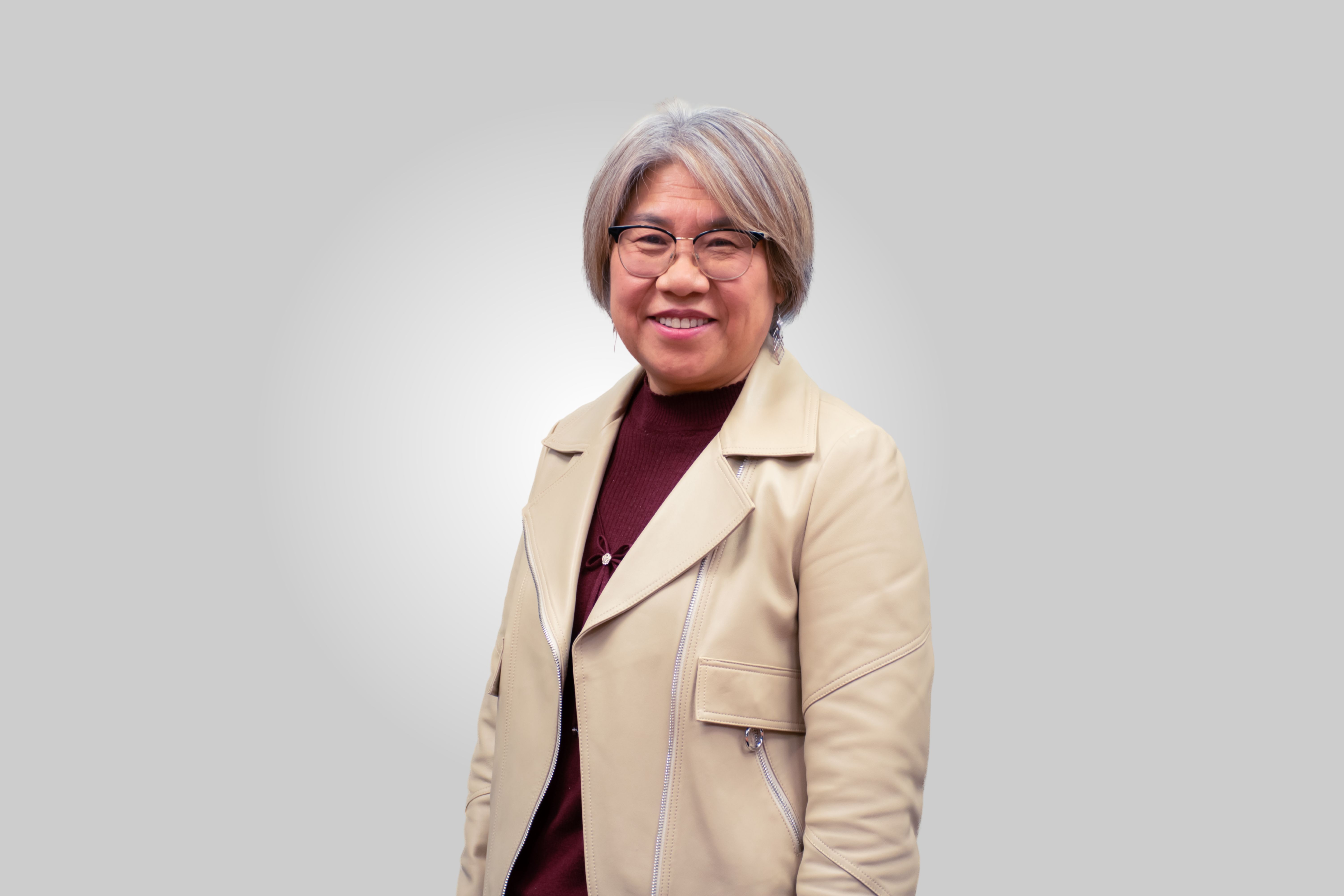
TIES (The Immigrant Education Society) President & CEO Sally Zhao is ramping up efforts to clear up “several misconceptions” about immigration in Alberta.
The move comes as Albertans get set to head to the polls this fall for a referendum that could reshape immigration policy in the province.
Zhao said she is concerned that the proposed restrictions, which include limiting some services to non-permanent immigrants, could have serious impacts — not only on newcomers, but on society as a whole.
“The only way out is that we work together to identify the root cause of the problems, tackle them, rather than blaming any groups of people,” she said.

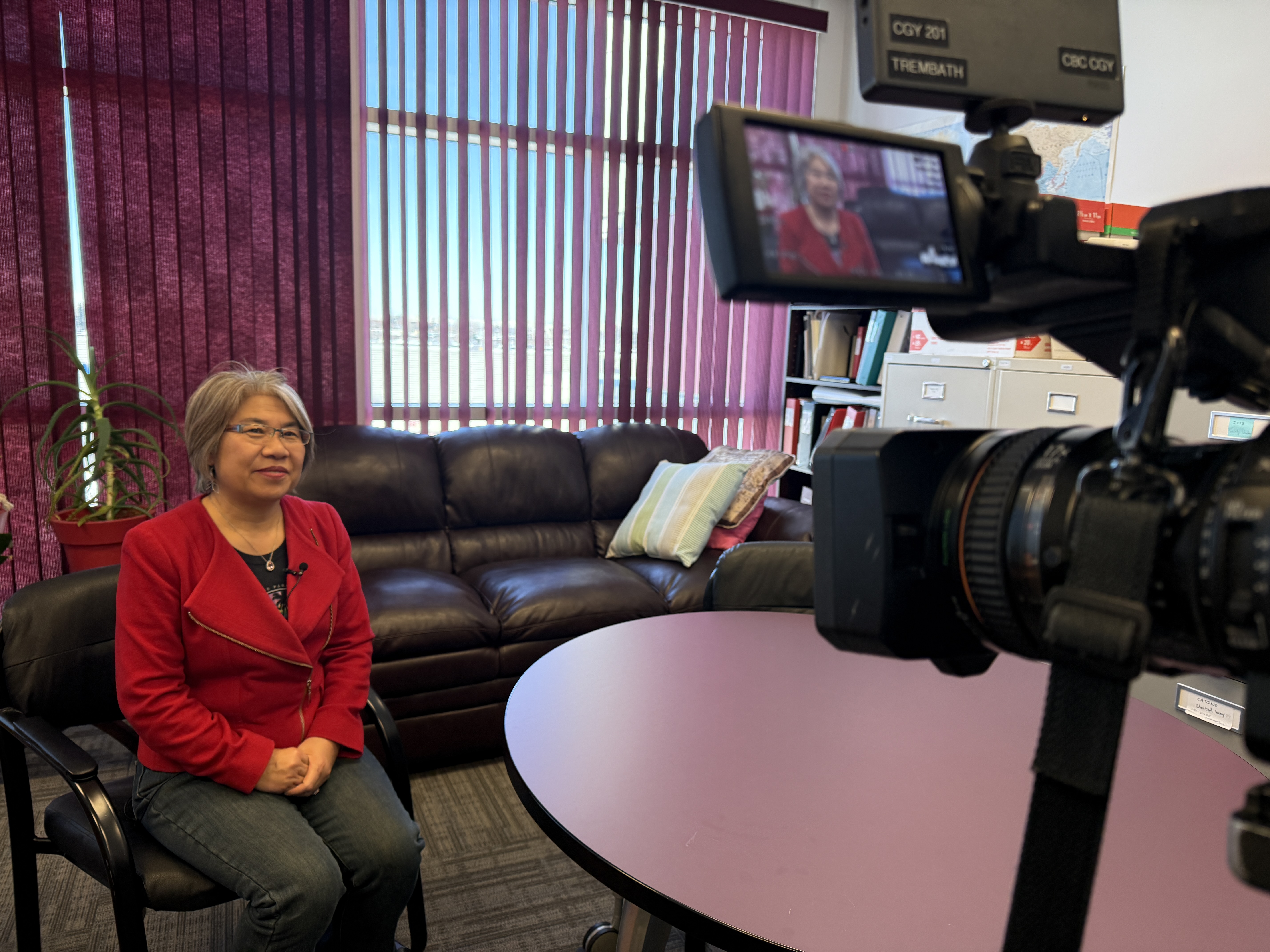
Zhao was recently asked about her position on several issues by various news media outlets. Here are some of her responses.
Q: What are your concerns about the proposed restrictions, especially when it comes to cutting education, health, and social supports for certain immigrants?
A: Education and healthcare are basic services that everyone should have access to. If there is no access to free healthcare, temporary residents will most likely have no financial means to afford care.
What will happen then, is that they will delay seeing the doctor when they’re not feeling well, eventually ending up in emergency. This will result in an even higher cost to the entire society. Also, if contagious diseases are not diagnosed in a timely manner, they may spread into the community.
As for education, if we don’t provide timely education to the children of these immigrants, those children may find other ways to occupy their time — possibly engaging in violence or drug use. These children will miss out on becoming educated, contributing members of society.
Q: What is your response to criticism that immigration levels have caused a strain on resources?
A: We acknowledge that there are real concerns out there. Higher housing/rental prices, crowded classrooms, and long waiting times in hospital, certainly cause anger and frustration.
However, immigrants are also victims of these issues and cannot have the blame put solely on them. The available supplies and rapid growth of the population have not matched up. Also, immigrants are invited to this country without knowing they have to face these challenges.
Q: What is the danger of providing different supports for different groups?
A: Differential treatment of any group of people could make the impacted feel like 'second class citizens'. This could make them want to move to other places where they can be equally and respectfully treated.
This will have negative impact on industries that rely heavily on these people. Temporary, talented people will want to move to other provinces where they can access the basic services like health care and education. Alberta will not be competitive in attracting talent.
Q: How much of an economic contribution do newcomers make in Alberta?
A: Immigrants fill in labour market job gaps especially in the industries like health care, hospitality, retail, construction, welding, carpentry, etc. Many of the local residents tend to not want to take these jobs. It’s not true to say immigrants are here to take away the jobs from local people.
A higher percentage of immigrants also have an entrepreneurial mind set. For example, TIES Entrepreneurship programs have helped hundreds of newcomers set up their own businesses and hire other people. So, not only are they creating their own employment — they’re also creating jobs.
Q: How do these kinds of questions lead to a more divisive society?
A: Anti-immigration sentiment is up unfortunately. I believe that this is mainly because of unfamiliarity or unknown about immigrants. I hope that there can be more opportunities for local people to learn about immigrants and the rich cultures they bring with them.
Immigrants are not only contributing to the balance population growth in Canada but also contributing to the economy and richness and beauty of the society.
Q: How can TIES change political and public views?
A: TIES is a service provider, not a political body. We are grateful for the funding support from governments, foundations, and donors so that we have the resources to provide the services and support needed in the community.
Our goal is to educate policy makers and the public to realize that short term investment can lead to long term, valuable returns.
We hope that we will continue receive the funding support so that we can help empower immigrants and other financially challenged people, so they can quickly contribute to the economy and the building of the society.
.jpeg)

CIWA (Canadian Immigrant Women’s Association) CEO Paula Calderon echoed Zhao’s sentiments.
Calderon said she’s also concerned about the impact these types of questions may have on the “public perception” of immigrants.
“Alberta’s strength has always been built by the people who chose to come here,” Calderon pointed out.
She added it’s important to note that the immigration system is already being reformed by the Federal Government.
“What Alberta can really contribute right now, is fixing the barriers that prevent skilled immigrants already here from working in their fields. That is the conversation that we want to have.”
Frank Cattoni, CEO of The Calgary Bridge Foundation for Youth (CBFY), said he is concerned about the future of the province.
"Immigrant and newcomer youth are vital to Alberta’s future. They are tomorrow’s workforce, innovators, and community leaders. When we invest in their settlement, education, and well‑being today, we strengthen Alberta’s economic resilience, social cohesion, and long‑term prosperity," Cattoni said.
"Failing to support them now risks losing talent and potential that our province needs to grow and thrive.”
The Alberta Government has said the referendum is a response to serious fiscal pressures facing the province, citing past federal immigration levels were “out of control.”
Albertans will vote on the referendum questions on Oct. 19th.
More information:
https://globalnews.ca/news/11676457/alberta-premier-danielle-smith-immigration-referendum/
Media RSVP, Interviews & Inquiries:
Tomasia DaSilva
Media and Relationship Strategist
Email: tomasiadasilva@immigrant-education.ca
Phone: 403-291-0002
Get involved with TIES on our social media platforms.


Leave a Comment