%20(1500%20x%20450%20px)%20(10).png)
EN
Lorem ipsum dolor sit amet, consectetur adipiscing elit. Aliquam libero lectus, efficitur at accumsan maximus, accumsan quis erat. Quisque venenatis maximus lacus, at rutrum metus laoreet sit amet. Orci varius natoque penatibus et magnis dis parturient montes, nascetur ridiculus mus. Aenean ut posuere eros, vel suscipit est. Sed non iaculis velit. Cras ornare turpis accumsan turpis elementum, eu eleifend magna finibus. Interdum et malesuada fames ac ante ipsum primis in faucibus. Vivamus dignissim arcu ac tellus consequat gravida. Aliquam vel urna nisl. Curabitur rhoncus condimentum nibh, sit amet varius odio. Donec ornare diam sit amet arcu volutpat, ac lacinia lorem aliquam. Nulla vel odio non arcu lacinia egestas. Etiam ipsum neque, facilisis vel faucibus accumsan, bibendum in lectus. Curabitur dolor lectus, tincidunt quis est a, iaculis dignissim sem.Etiam gravida cursus tellus ut rutrum. Aliquam fermentum facilisis libero. Etiam vel risus erat. In sed sem et sapien mattis tincidunt non at tortor. Integer nec tincidunt purus, vitae vestibulum justo. Donec lectus nisl, accumsan sed magna ac, egestas euismod nisl. Donec tellus felis, volutpat vel dictum a, efficitur eget nisl. Cras congue ex at enim interdum consequat. Nam condimentum ac nunc in lacinia. Suspendisse quis tellus venenatis, accumsan dui ut, luctus massa. Mauris ultrices ornare eros, vitae lacinia mi vehicula quis. Praesent ac diam id magna varius accumsan. Duis ut lectus nec neque aliquet congue ac at eros. Duis ut ultrices justo. Praesent bibendum suscipit diam in feugiat. Nunc aliquam felis in mauris bibendum mollis. Nulla pulvinar facilisis feugiat. Fusce interdum.
News
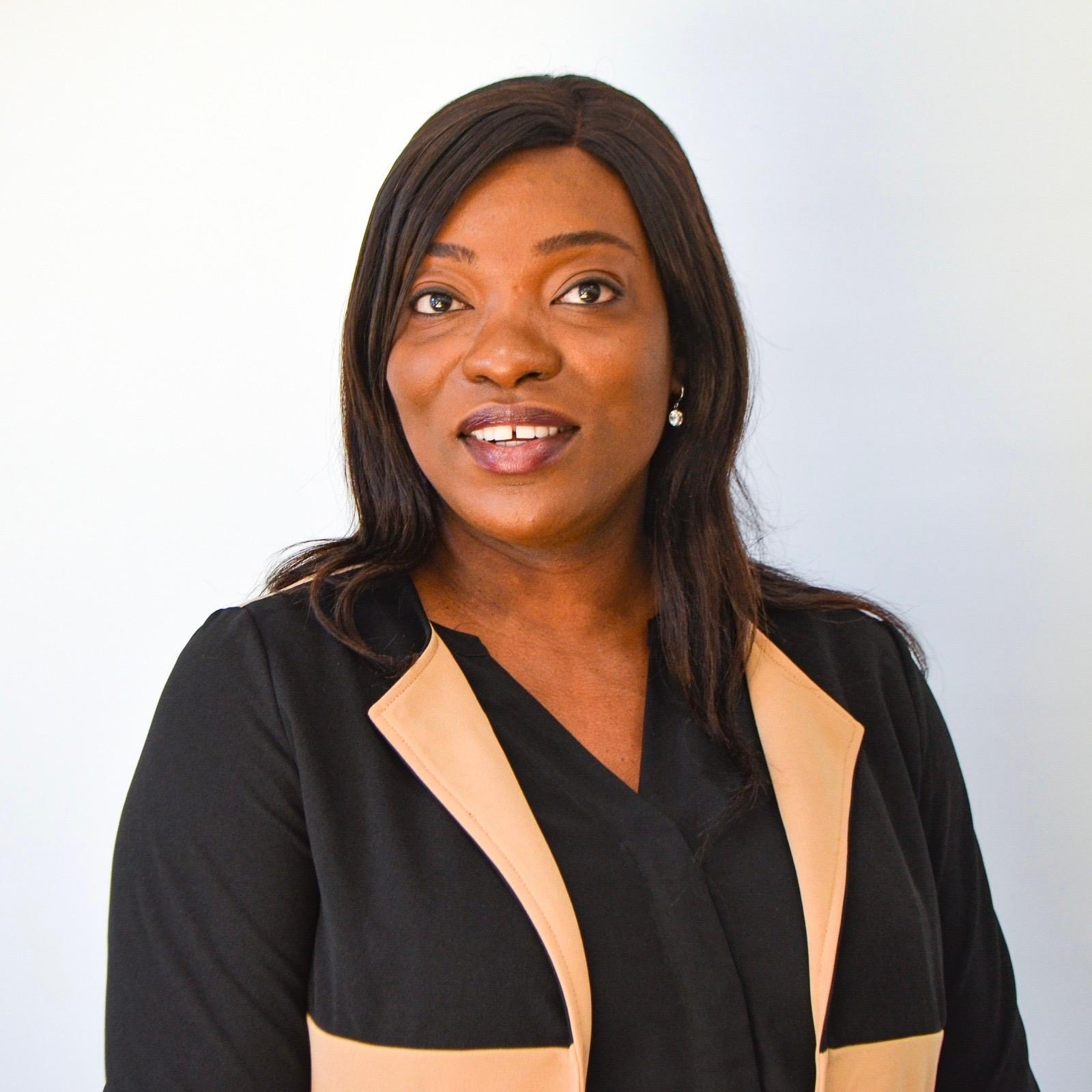
Dr. Ime Ibukun Omoz-Oarhe is a proud, Black woman.
She’s an educated professional. A self-professed “people-first” Human Resources leader, currently at TIES (The Immigrant Education Society).
Her goal: helping organizations shape engaged, resilient, and inclusive workplaces.
All vital, she says, as Canada celebrates the 30th anniversary of Black History Month.
“Talent is global, but opportunity is contextual. Resilience is powerful. But belonging is transformational,” she says.
“When organizations and communities make room for difference, everyone benefits.”
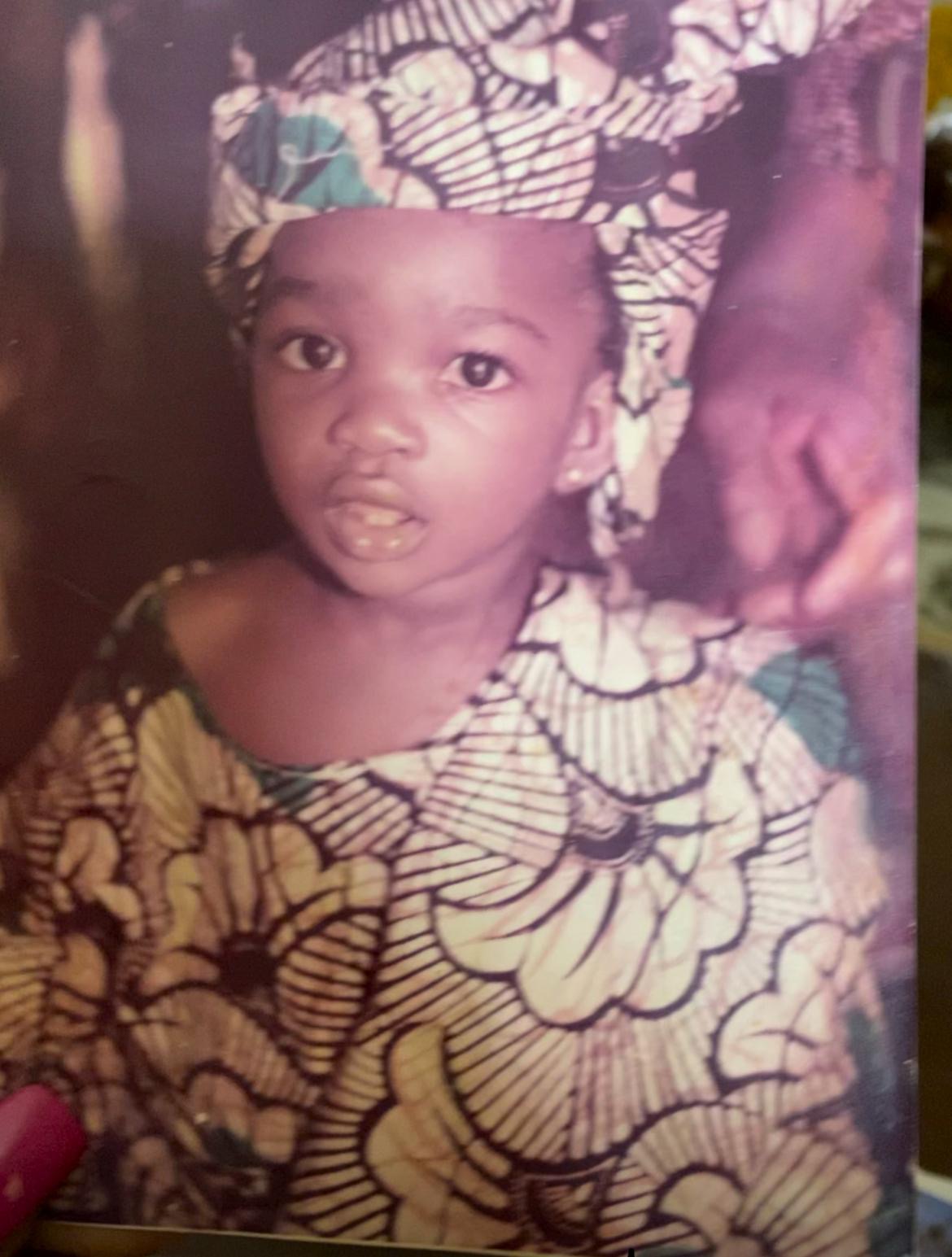
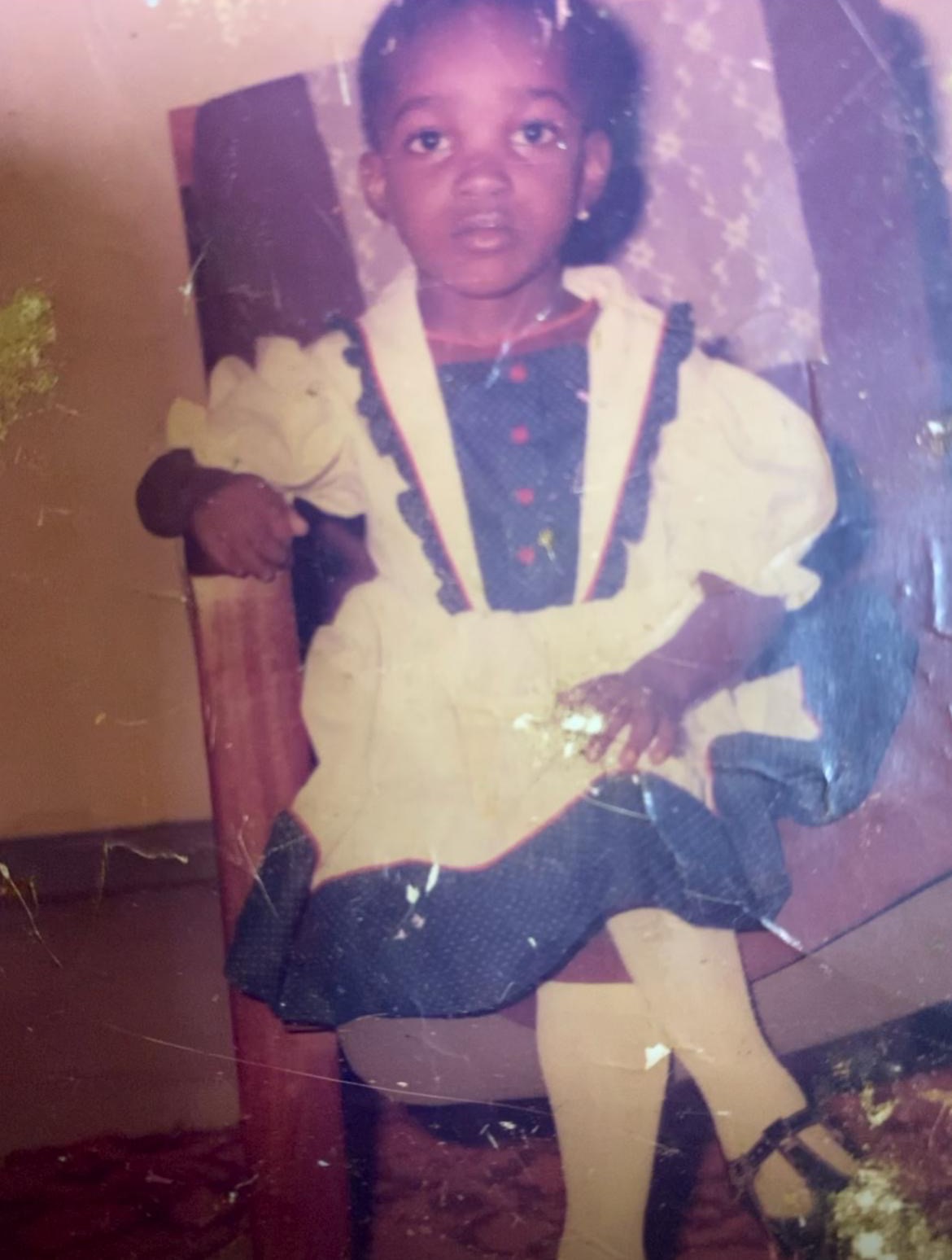
Ime was born in Ifẹ̀, located in Osun State, Nigeria.
“Growing up was amazing, and very structured,” she recalls.
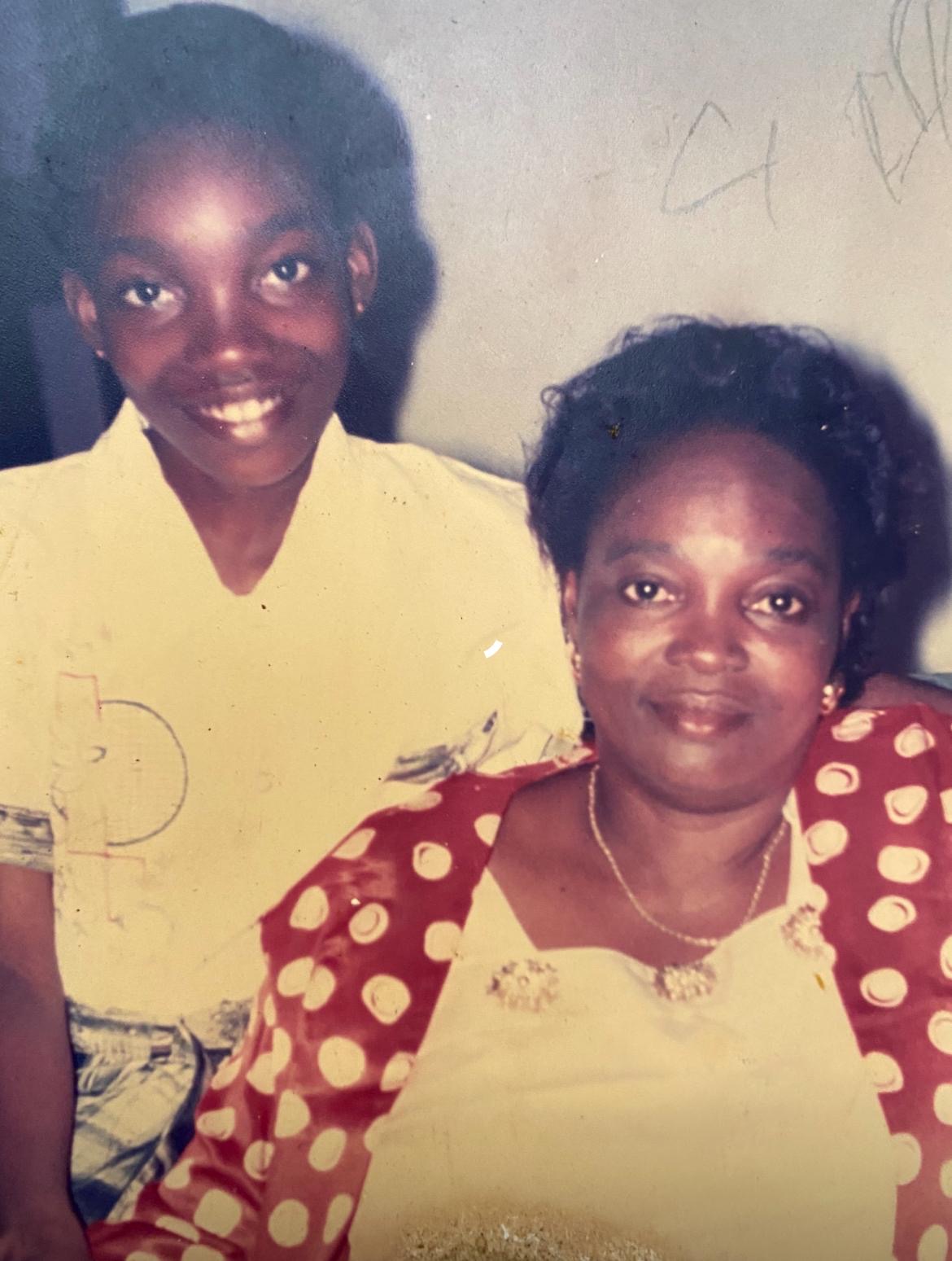
No surprise — given her parents’ occupations. Dad was a university professor, and mom was a high school principal.
Her family lived in the university staff quarters, which Ime says felt like a small village within a larger campus. All the children within the community played and grew up together, and “everyone knew everyone else.”
“If you misbehaved outside, it got back home before you did.”
There wasn’t much time for misbehaving inside her home.
Ime says evenings often consisted of conversations about books, current events, leadership, faith, and responsibility.
Education was “deeply valued” in her home.
“We were taught that education was not just for status or income, but for impact. I learned early on that education was both a privilege and a responsibility.”
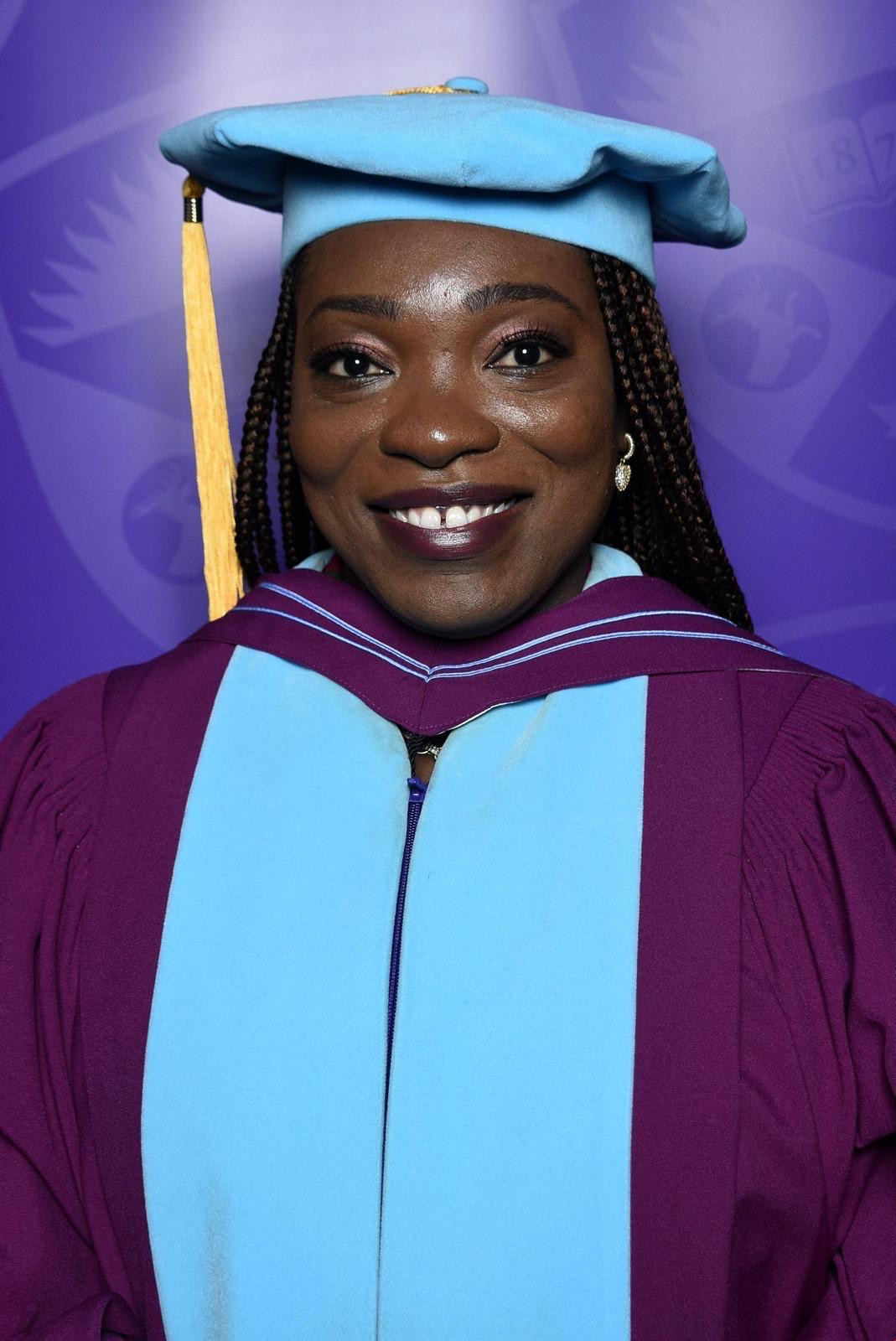
Still, she says her childhood wasn’t all about hitting the books. Growing up was also “full of joyful and full of memorable experiences.”
There were community events, cultural celebrations, church gatherings, and a real sense of belonging.
“I grew up among others who looked like me and shared similar experiences, which quietly shaped my beliefs and disposition towards life and community.”
Ime brought those beliefs to Canada in 2012, when she first immigrated to Ontario and then made her way to Calgary.
“I came seeking new experiences, growth, and broader opportunities,” she says. “I was drawn by the spirit of adventure and the possibility of expanding my personal and professional horizons.”
“I wanted to stretch myself beyond what was familiar and see what I could build in a new environment.”
Building that new life, in a new environment, hasn’t been without its challenges.
Ime says she has been forced to confront her identity in a “very real way.”
“You go from being fully known to being newly defined. You learn quickly that your accent, your name, your background, your identity and even your confidence can be interpreted in different ways.”
“That experience teaches humility, resilience, and self-awareness.”

Ime says that has strengthened her adaptability.
She has been forced to navigate unfamiliar systems and build new networks from scratch — proving herself in spaces where she was not automatically understood.
While some may perceive that as a negative, she says it was just another learning opportunity.
“It deepened my empathy,” she says.
“When you have been the newcomer, trying to decode unspoken rules, you become more aware of how inclusion truly works.”
She hopes her story can help others, including employers, realize resiliency can be achieved — regardless of colour and origin.
“Many Black professionals and immigrants arrive with strong foundations, education and drive. What makes the difference is whether environments create space for people to fully contribute.”

February is Black History Month across Canada and the United States.
This year’s theme is “30 years of Black History Month: Honouring Black Brilliance Across Generations — From Nation Builders to Tomorrow’s Visionaries.”
Media RSVP, Interviews & Inquiries:
Tomasia DaSilva
Media and Relationship Strategist
Email: tomasiadasilva@immigrant-education.ca
Phone: 403-291-0002
Get involved with TIES on our social media platforms.


Leave a Comment